
Your expert travel guide to Dubrovnik, covering the best places to stay, popular restaurants, vibrant nightlife and the top attractions and things to do, plus practical information about flights, ferries and everything you need to know before you go.
While staying in Dubrovnik in 1929, George Bernard Shaw wrote:
"If you want to see heaven on earth, come to Dubrovnik."
Travelling to Dubrovnik
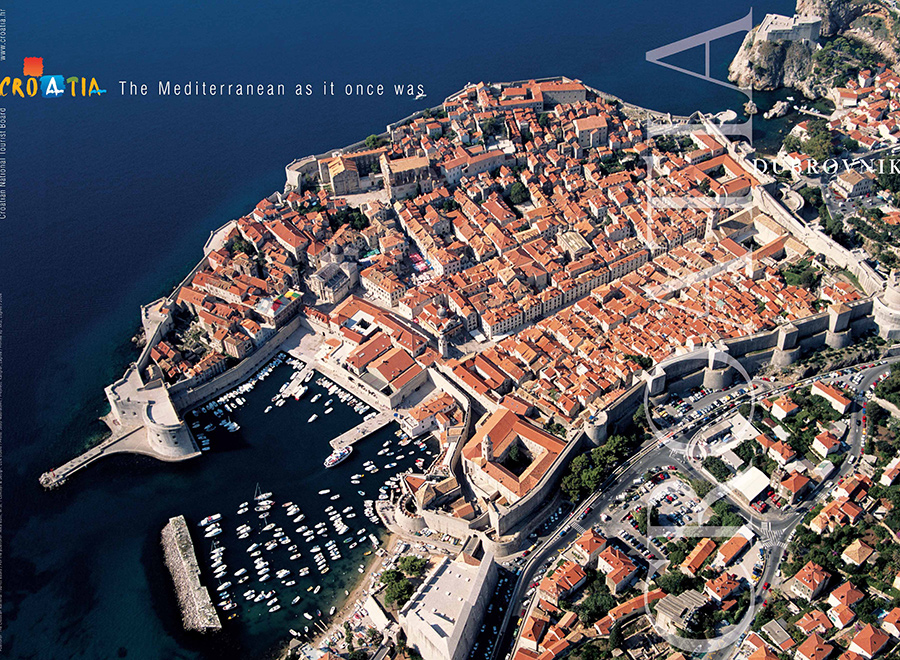
Dubrovnik is known for its remarkably preserved Old Town, a UNESCO World Heritage site built from polished limestone and surrounded by medieval walls overlooking the Adriatic. Its compact historic center is filled with Gothic, Renaissance and Baroque buildings, narrow lanes and open squares that are easy to explore on foot.
Visitors come for its mix of heritage, coast and outdoor experiences, from local activities and scenic walks to reliable weather and good food. With beaches, islands and day-trip options close by, Dubrovnik fits well into both short holidays and longer Croatia itineraries. As my hometown, it holds a special place in my heart, and I truly hope you’ll fall in love with its charm as I did!
Why visit Dubrovnik?
Dubrovnik combines a UNESCO-listed medieval Old Town, encircled by well-preserved stone walls, with a dramatic position above the Adriatic Sea, so you can move in minutes from historic streets and landmarks to beaches, viewpoints and boat trips. The compact center is packed with Gothic, Renaissance and Baroque churches, palaces and fountains, yet it is small enough to explore comfortably on foot in a day or two.
For many visitors, the main reasons to come are the city walls and fortresses, the limestone lanes and squares of the Old Town, and the wide views from Mount Srđ or from the sea when you take a boat to nearby islands. You can combine walks on the walls with swimming at Banje or Lapad Bay, short trips to Island Lokrum or the Elaphiti Islands, and longer day trips to Pelješac, Mljet or neighboring countries, which makes Dubrovnik a flexible base within a wider Croatia itinerary.
At the same time, Dubrovnik is a small working city with markets, cafés and local neighborhoods beyond the historic core. It can be crowded and more expensive than many other places on the Adriatic in peak summer, but travelling in shoulder season, planning some early-morning or evening sightseeing and using nearby beaches and islands for a break from the Old Town helps most travelers enjoy the best of Dubrovnik while avoiding the worst of the crowds.
Planning a first trip to Dubrovnik
If this is your first visit, these are the practical details that shape most Dubrovnik itineraries.
Where is Dubrovnik in Croatia?
Dubrovnik is in the far south of Croatia on the Adriatic Coast, close to the borders with Montenegro and Bosnia and Herzegovina. It sits in the southernmost part of the country, within the Dubrovnik Region (Dubrovnik-Neretva County), which includes the coast, islands and hinterland around the city.
The city is roughly 230 km south of Split and about 600 km from Zagreb, making it a natural start or end point for trips along the Dalmatian coast. Most travelers arrive via Dubrovnik Airport, long-distance buses or coastal routes and then continue using local transport. For practical details on reaching the city, see our guides to travelling to Dubrovnik by car, bus connections to Dubrovnik and ferries to and from Dubrovnik.
Dubrovnik Ferry Routes and Timetables
Ferries are one of the easiest ways to explore southern Croatia, and most departures leave from Gruž Ferry Port. Dubrovnik is connected with the Elaphiti Islands, Mljet, Korčula, Hvar, Split and other Adriatic destinations. Check our current Dubrovnik ferry routes and timetables for exact dates, operators and fares.
Local ferries between Dubrovnik, Koločep, Lopud and Šipan operate throughout the year. Seasonal fast catamarans expand the network toward Mljet, Korčula, Hvar and Split during the warmer months.
In 2026 there are also seasonal fast-catamaran connections between Dubrovnik and Montenegro, including Kotor and Budva. The Dubrovnik-Kotor timetable is particularly useful for a same-day trip on operating days, while schedules vary during the season.
Travelling to Dubrovnik by plane
Most visitors arrive in Dubrovnik by air, especially between April and October when there are frequent direct flights from major European cities such as London, Paris, Rome, Amsterdam, Vienna, Berlin and Madrid. Dubrovnik Ruđer Bošković Airport (DBV), also known as Čilipi Airport, is the main gateway to the region and handles both scheduled and low cost airlines. For a wider overview of routes and carriers, visit the Travelling to Dubrovnik by plane guide on Absolute Dubrovnik.
Several airlines offer regular and seasonal routes, including British Airways from London, Ryanair from numerous European cities and EasyJet from 13 destinations. This wide network makes it straightforward to plan both weekend trips and longer Croatia itineraries.
Dubrovnik Airport is located about 20 km south of the city, near the village of Čilipi, with a typical road transfer of around 30-40 minutes depending on traffic. There is no rail connection. The official Platanus airport shuttle currently costs 10 € one way or 15 € for an open return, with the return ticket valid for 15 days. Airport departures are linked to arriving flights, while city-to-airport departure times are published for the current flight schedule. For current stops, times and ticket information, see the Dubrovnik Airport and shuttle bus page.
Travelling to and getting around Dubrovnik by bus
Dubrovnik is well connected to the rest of Croatia by intercity buses, with year-round routes to major cities such as Zagreb and Split, plus seasonal and international connections. Services arrive and depart from the Dubrovnik Main Bus Station in Gruž, next to the ferry port. Journey times and prices vary by operator and route, so compare the exact departure you plan to use and book ahead during busy summer periods.
For travel within Dubrovnik, the Libertas local bus network is the most efficient way to move between the Old Town and neighborhoods such as Lapad, Babin Kuk, Gruž and Mokošica. The central hub is Pile Gate, just outside the Old Town walls. The current city fare is 2.50 € for a ticket bought on board, while the 1-hour ticket costs 1.73 €. Daily and multi-day tickets are also available. For route maps, line numbers and stop locations, refer to the Dubrovnik city bus map and timetable.
Suburban buses provide access to destinations along the Dubrovnik Riviera. The most used route is bus number 10 to Cavtat, stopping in Mlini, Srebreno, Soline and Plat along the coast. The journey usually takes 30 - 45 minutes each way, with suburban fares slightly higher than local tickets but still cost effective. For the latest departure times, route maps and prices for Cavtat and nearby villages, visit the Dubrovnik suburban bus lines timetables.
Travelling to Dubrovnik by car
Driving to Dubrovnik is straightforward thanks to Croatia's well maintained road network. The main motorway routes, marked with the A prefix (autocesta), provide fast connections between major cities such as Zagreb, Split and Rijeka. From Split, the coastal D8 road continues south toward Dubrovnik. A full overview of motorway routes, tolls and driving regulations can be found in the Croatian motorways guide, including details for the Zagreb - Split - Dubrovnik corridor.
For a scenic coastal experience, many travelers choose the Adriatic Highway (Jadranska magistrala), which follows the shoreline between Rijeka and Dubrovnik. It is considered one of the most picturesque routes in Croatia, offering constant sea views and access to coastal towns, but it is slower than the motorway because it passes through many villages and has frequent speed limit changes.
Drivers should be aware that parking in Dubrovnik is limited and often expensive, particularly near the Old Town where spaces are scarce and zones are strictly regulated. If you plan to explore by car, it is useful to review available parking zones, garages and daily rates in advance. A full overview of options can be found in the Parking in Dubrovnik guide, which includes locations in Ploce, Pile, Gruz and Lapad.
If you intend to drive into or out of the region, our dedicated page on visiting Dubrovnik by car covers useful local advice, border considerations, fuel stations, navigation tips and recommendations for day trips by car along the Dubrovnik Riviera.
Travelling to Dubrovnik by train
Dubrovnik is not connected to the Croatian rail network, so it is not possible to travel directly to the city by train. Croatia’s railway system is centred on Zagreb, with routes extending toward central and northern regions, but southern Dalmatia has no active passenger rail line. Trains can still be a comfortable way to travel through other parts of Croatia, but onward travel to Dubrovnik must be completed by bus, car or ferry.
If you are considering rail travel as part of a wider Croatia or Balkans itinerary, Ploče is the nearest rail access point with a current passenger connection toward Bosnia and Herzegovina. In 2026, the Ploče-Mostar-Sarajevo train runs on Fridays, Saturdays and Sundays from 26 June to 27 September, so it should be treated as a seasonal option rather than a year-round Dubrovnik rail connection. Another option is Split, which has a central train station next to the ferry port and rail services toward Zagreb.
Croatian Railways (HŽ) allows the transport of bicycles on many routes, making trains useful for travellers combining rail journeys with cycling. For detailed timetables, bicycle carriage information and route availability, visit the official site of Croatian Railways (HŽ).
If you plan to include train travel in your trip, tickets for international and domestic journeys can be purchased at stations or online through major booking platforms. For travellers connecting through Zagreb or Split and continuing deeper into Europe, services toward Slovenia, Austria, Hungary and Germany are available. Online ticketing is convenient for planning long distance segments, and platforms such as Rail Europe offer route comparisons and advance purchase options for European train travel.
Getting around Dubrovnik
Dubrovnik is compact, walkable and supported by a reliable local bus network, so most visitors find it easy to move between the Old Town, beaches and nearby neighborhoods without a car. The historic center is fully pedestrianized, while areas such as Lapad, Babin Kuk, Gruž and Ploče are linked by frequent Libertas bus services. Taxis and private transfers are widely available, and boat services operate to nearby islands throughout the main season.
Walking in Dubrovnik
The Old Town is a pedestrian zone with stepped streets, narrow lanes and polished limestone paving, which makes walking the most practical way to explore the historic area. Many attractions, restaurants and viewpoints are within short distance of Stradun and the city walls. Comfortable footwear is recommended due to stairs and uneven surfaces, especially in the higher parts of the Old Town such as Ploče and around the walls.
Local buses in Dubrovnik
The Libertas bus network connects the Old Town with neighborhoods including Lapad, Babin Kuk, Gruž and Mokošica. Most routes stop at Pile Gate, the main entrance to the Old Town. Tickets can be purchased on board or at regular and Libertas kiosks. For a full overview of routes, stops and validity rules, see the Dubrovnik city bus map and timetable. This is the most convenient option for reaching beaches, hotels and the port area without using a car.
Taxis and private transfers
Taxis are available throughout the city, with stands at Pile Gate, Ploče Gate and the Main Bus Station in Gruž. Private transfers can be booked in advance for airport travel or day trips along the Dubrovnik Riviera. App-based ride services such as Uber also operate in Dubrovnik, although pickup times can be longer than in larger cities. Compare the quoted fare and pickup time before booking.
Driving and parking in Dubrovnik
Driving inside Dubrovnik can be challenging due to narrow streets, steep access roads and limited parking near the Old Town. Most visitors staying in or around the center choose not to use a car while exploring the city itself. Parking zones are strictly regulated and prices near Pile and Ploče are high during the main season. For detailed locations, daily rates and tips, review the Parking in Dubrovnik guide. If you plan to arrive by car, also see the local advice on our visiting Dubrovnik by car page.
Boat services
Boat taxis and regular ferry departures operate from Gruž Port and other local departure points to nearby islands, with the widest choice during the summer months. For current island routes, prices and timetables, visit the Dubrovnik ferry routes and timetables page.
Where to stay in Dubrovnik
Choosing the right area to stay in Dubrovnik depends on what you want to see and how much walking you are comfortable with. The city is divided into several neighborhoods, each offering a different atmosphere and level of convenience. The Old Town provides the closest access to major sights, while areas such as Lapad and Babin Kuk offer more space, quieter surroundings and easier access to beaches. Gruž is practical for travelers arriving by ferry or long distance bus, and Ploče is known for its views overlooking the Old Town and Island Lokrum. To compare accommodation options across these areas, see our guides to hotels in Dubrovnik , budget hotels, apartments in Dubrovnik or hostels in Dubrovnik.
Old Town (Stari Grad)
The Old Town is ideal if you want to stay within walking distance of Dubrovnik’s main attractions, restaurants and museums. Accommodation ranges from apartments to boutique hotels, often inside centuries old stone buildings. The area is fully pedestrianized, which means you must walk with luggage from the nearest gate. It is the most atmospheric part of the city but also the busiest and generally the most expensive, especially in summer.
Ploče
Ploče is located just east of the Old Town and is known for its elevated viewpoints, luxury hotels and access to Banje Beach. Many properties here offer sea and Old Town views, and the area has quicker access to the city walls compared with other neighborhoods. The terrain is steeper, so expect steps and uphill walks. It is popular with visitors who want a quieter base but still within easy walking distance of the Old Town.
Lapad
Lapad is one of Dubrovnik’s most convenient residential and hotel areas, located west of the Old Town. It offers a wide selection of mid range and family friendly hotels, along with a promenade, cafes and swimming spots such as Uvala Lapad. The area is well connected by local buses, making it a practical choice for travelers who want more space and easier access to beaches without staying far from the Old Town.
Babin Kuk
Babin Kuk is a peaceful peninsula northwest of the Old Town, home to larger resort style hotels, walking paths and beaches. It is suitable for families, travelers looking for resort facilities and those who prefer quieter surroundings. Local buses connect Babin Kuk with the Old Town in around 10 - 15 minutes. The area offers good value for longer stays and holidays focused on swimming and relaxation.
Gruž
Gruž is the port district of Dubrovnik and a practical choice for travelers arriving by ferry or long distance bus. Accommodation options are generally more affordable than in the Old Town or Ploče. The area has supermarkets, markets and good bus connections, with most routes reaching Pile Gate in 10 - 15 minutes. It is also convenient for island trips from Gruž Port and for visitors planning day trips along the Dubrovnik Riviera.
How to choose the best area
For first time visitors, the Old Town and Ploče are the most convenient for sightseeing. Travelers who want a quieter stay or easier access to beaches often prefer Lapad or Babin Kuk. Those on a budget usually stay in Gruž, which provides good transport links and practical services. If you plan to explore the wider region by ferry or bus, staying near Gruž Port or the Main Bus Station can also be useful.
Where to stay by travel style
If you are deciding where to base yourself in Dubrovnik, these shortcuts help match the neighborhood to the type of trip you are planning. Use them before comparing full accommodation options in our guides to hotels in Dubrovnik and apartments in Dubrovnik.
Old Town or Ploče for walking access to the main sights and viewpoints.
Lapad or Babin Kuk for quieter streets, beaches and larger hotels.
Lapad or Babin Kuk for swimming spots, promenades and more space.
Gruž for better-value accommodation, markets and useful transport links.
Lapad and parts of Babin Kuk have the flattest terrain.
Old Town or Ploče for convenience and minimal transport time.
Top things to do in Dubrovnik
Dubrovnik’s main attractions are concentrated in and around the Old Town, with additional highlights on nearby islands and viewpoints above the city. The shortlist below covers the experiences most visitors consider essential, with more ideas available on our dedicated things to do in Dubrovnik page.
Walk the city walls
Walking the city walls is the classic Dubrovnik experience and offers the best overall view of the Old Town’s layout, fortresses and coastline. The full circuit takes around 1.5 - 2 hours at a relaxed pace. For practical details, tips and opening times, see the Dubrovnik City Walls guide. Visiting early morning or late afternoon helps avoid the strongest sun and peak crowds in summer.
Explore the Old Town and Stradun
The Old Town is a compact pedestrian area of limestone streets, squares, churches and palaces centered on Stradun. Attractions such as Onofrio’s Fountain, the Franciscan Monastery, Sponza Palace and the Rector’s Palace are all within short walking distance. Side streets offer quieter corners, viewpoints and small museums, many of which are listed in our museums in Dubrovnik overview.
Take the cable car or walk up Mount Srđ
Mount Srđ provides one of the most famous views of Dubrovnik, Island Lokrum and the Elaphiti Islands. Most visitors use the cable car from just above the Old Town. For routes, operating hours and ticket information, see the Dubrovnik Cable Car guide. Hiking paths from the city also lead to Fort Imperial at the summit, a popular sunset viewpoint.
Visit Lokrum Island
Lokrum is a protected nature reserve just off the Old Town, reached by a short boat ride from the old harbor. It is known for shaded walking paths, botanical gardens, a small saltwater lake and rock swimming spots. The island is ideal for a half day escape from the city, especially in summer. For practical information on getting there, see our Lokrum Island guide.
Swim at Dubrovnik’s beaches and coastal areas
Dubrovnik offers several easy to reach swimming spots. Banje Beach below Ploče has views of the Old Town, while Šulić Beach lies west of Pile Gate. The Lapad and Babin Kuk areas offer a mix of pebble beaches and promenades. For a full overview of recommended locations, facilities and access, visit the beaches and parks in Dubrovnik page.
Join a walking, Game of Thrones or history tour
Walking tours help visitors understand Dubrovnik’s architecture, maritime history and more recent events. Fans of film and television can visit well known filming locations with themed experiences. For background on the series and key sites, read the Game of Thrones in Dubrovnik feature.
See Dubrovnik from the sea by kayak or boat
Sea kayaking provides a different perspective on the city walls and coastline. Tours usually start near Pile Gate and include a swimming or snorkeling stop beneath the cliffs. For available routes and practical information, see sea kayaking in Dubrovnik. Regular boats also run to nearby islands, offering easy day trips and quiet coves for swimming.
Visit museums, churches and viewpoints
Dubrovnik has several museums and churches that help explain its cultural and historical background. Highlights include the cathedral, Franciscan and Dominican monasteries, Rector’s Palace and smaller galleries around the Old Town. For an overview of locations and opening details, explore museums in Dubrovnik.
Plan one or two day trips
Dubrovnik is a popular base for day trips along the coast and to nearby islands. Options include coastal towns, viewpoints and island escapes such as islands Lopud, Šipan and Mljet. For a full list of ideas, distances and planning tips, see our day trips from Dubrovnik guide.
Browse Dubrovnik tours and activities
Day trips and islands from Dubrovnik
Dubrovnik is an excellent base for day trips, with frequent boat services to nearby islands and good road connections along the Dubrovnik Riviera. The most popular options include the Elaphiti Islands, Mljet, Cavtat and coastal viewpoints north of the city, along with cross border excursions to Montenegro and Bosnia and Herzegovina. For a full overview of routes and planning tips, see our day trips from Dubrovnik page.
Elaphiti Islands
The Elaphiti Islands are the most popular island day trip from Dubrovnik due to their short travel time and easy ferry connections from Gruž Port. The three inhabited islands, Koločep, Lopud and Šipan, offer shaded walking paths, beaches, villages and viewpoints. Lopud’s Šunj Beach is one of the best sandy beaches near Dubrovnik, while Šipan has quiet coves and small vineyards. These islands are ideal for families, relaxed swimming days and low effort exploration.
Mljet National Park
Mljet is one of the greenest islands in the Adriatic and home to Mljet National Park, known for its two saltwater lakes and shaded walking and cycling paths. Forests, swimming spots and a small island monastery make it a popular full day trip. Fast catamarans operate from Dubrovnik in the main season with a travel time of around one hour.
Korčula
Korčula Town, often compared to a small walled Old Town, is a rewarding day trip for visitors who want a mix of history, sea views and island atmosphere. The town’s layout, narrow streets and waterfront make it easy to explore in a few hours. For island background and regional context, see the Korčula guide.
Cavtat
Cavtat is the closest coastal town to Dubrovnik and an easy half day or full day escape. It offers promenades along the sea, swimming spots, cafes and walking paths around the peninsula. Cavtat is accessible by bus, taxi or seasonal boat services from Dubrovnik’s Old Town and Lapad.
Konavle
Konavle is a rural region south of Dubrovnik known for vineyards, olive groves and traditional stone villages. It is ideal for visitors looking for quiet scenery, wine tasting and local food experiences. Many day trips combine village visits with scenic stops and walks through the countryside, making Konavle a relaxing contrast to the busy Old Town.
Trsteno Arboretum
Trsteno Arboretum, located around 20 km northwest of Dubrovnik, is one of the oldest Renaissance gardens on the Adriatic. It features terraces, viewpoints and a historic aqueduct, along with shaded paths overlooking the sea. It is a relaxing stop for visitors interested in gardens, coastal scenery and Game of Thrones filming locations.
Pelješac Peninsula and Ston
The Pelješac Peninsula is known for wine production and coastal scenery, while the town of Ston features historic salt pans and some of the longest defensive walls in Europe. Day trips often include wine tasting, oyster farms and a walk along part of the Ston Walls, making this a popular full day excursion from Dubrovnik.
Montenegro: Bay of Kotor
The Bay of Kotor is one of the most popular cross border trips from Dubrovnik. Visitors typically explore Kotor Old Town, Perast and the scenic bay by road or organised excursion. Travel times vary depending on border traffic, especially in high season, so early departures are recommended.
Bosnia and Herzegovina: Mostar
Mostar is well known for its UNESCO listed Old Bridge and riverside bazaar streets. The journey from Dubrovnik passes viewpoints and small towns before reaching the Neretva Valley. Because cross border queues can be unpredictable in summer, travel times vary, and organised tours are often the simplest option. Kravice Waterfalls in Bosnia and Herzegovina are often combined with a visit to Mostar. The falls form a wide natural pool where swimming is allowed in warmer months, making this a scenic stop for travelers who want a mix of nature and sightseeing in a single day trip.
Popular day trips from Dubrovnik
Dubrovnik is an excellent base for exploring the wider region, with easy access to islands, historic towns and national parks. If you prefer organised excursions with transport and guides included, you can browse a curated selection of the most popular options. These are especially useful if you have limited time or want a stress free way to visit places such as Mostar, Kravice Waterfalls, Montenegro or the Elaphiti Islands.
For ideas and planning tips, see our overview of day trips from Dubrovnik, or explore top rated guided experiences below.
Best activities in Dubrovnik
Dubrovnik offers a wide range of outdoor activities, from sea adventures and hiking to sailing and exploring nearby islands. Whether you are visiting for one day or spending longer in the region, you will find plenty of ways to enjoy the coastline, nature and surrounding landscapes. If you want to explore outside the city, consider some of the recommended day trips from Dubrovnik, which pair well with many of the activities listed below.
See our full overview of outdoor activities in Dubrovnik and the Dubrovnik Region for more ideas.
Sea kayaking in Dubrovnik
Sea kayaking in Dubrovnik is one of the most popular ways to experience the coastline. Kayak routes typically circle the base of the City Walls, visit caves and continue toward Lokrum Island. Tours are suitable for beginners and often include swimming and snorkeling stops.
Diving in Dubrovnik
Diving in Dubrovnik offers access to clear waters, reefs, underwater cliffs and shipwreck sites. Several diving centers operate along the coast, providing introductory dives, advanced courses and guided excursions. Visibility is excellent in summer, making it ideal for exploring local marine life and underwater caves.
Hiking in Dubrovnik
Hiking is a great way to enjoy wide views of the Old Town and surrounding islands. Trails on Mount Srđ offer panoramic lookouts and quiet forest paths, while coastal trails in Lapad and Babin Kuk provide easier walks suitable for most visitors. For detailed routes, maps and difficulty levels, see our guide to the best hiking trails in Dubrovnik.
Sailing in Dubrovnik
Sailing in Dubrovnik is ideal for travelers who want to experience the Adriatic from the water. You can join a group sailing tour or charter a private boat to visit secluded coves, small islands and quiet bays. If you prefer to explore independently, learn more about renting a boat in Dubrovnik.
Boat tours from Dubrovnik
Boat tours from Dubrovnik offer a flexible way to explore the coastline and nearby islands. Depending on the route, you can discover hidden beaches, Blue Cave-style coastal formations, quiet fishing villages and clear snorkeling spots. Many tours visit the Elaphiti Islands, while others focus on sunset cruising or coastal sightseeing.
Fishing in Dubrovnik
Fishing in Dubrovnik is a relaxing option for visitors who enjoy spending time on the water. Local skippers know the best areas for seasonal catches and provide all equipment. Trips range from family friendly outings to longer deep-sea excursions.
Walking tours in Dubrovnik
Guided walking tours are a good way to learn about Dubrovnik’s architecture, maritime history and everyday life inside the Old Town. Options range from general city highlights to tours focusing on fortresses, medieval trade routes and quieter backstreets. These walks are ideal for first time visitors who want additional context while exploring the historic centre.
Game of Thrones tours
Fans of the series often join Game of Thrones themed tours that visit filming locations such as Pile Gate, Fort Lovrijenac and sections of the city walls. Guides explain how Dubrovnik was transformed for key scenes and share behind the scenes details. For an overview of filming locations and background stories, see Game of Thrones in Dubrovnik.
Wine tasting in Dubrovnik
Wine tastings introduce visitors to local varieties such as plavac mali, pošip and malvasija dubrovačka. Sessions are offered in wine bars and konobas, with some tastings comparing wines from nearby regions such as Pelješac and Korčula. These experiences are well suited for visitors who want to explore Croatian wine culture without leaving the city.
Buggy and ATV tours
Buggy and ATV tours offer an active way to explore the hills above Dubrovnik, particularly the routes around Mount Srđ. Tours usually include off road tracks, panoramic viewpoints and short stops for photographs overlooking the Old Town and the Adriatic Sea. They are popular with travelers looking for a mix of sightseeing and adventure.
Stand up paddleboarding and jet ski rentals
Stand up paddle boarding (SUP) and jet ski rentals are widely available during the main season and allow visitors to explore Dubrovnik’s coastline independently. Calm areas in Lapad and Ploče are suitable for SUP, while jet skis offer a faster way to reach small coves, caves and viewpoints near Island Lokrum.
Cycling in Konavle
The Konavle valley south of Dubrovnik is one of the best areas for cycling, with quiet roads running through vineyards, olive groves and small villages. Routes vary from easy coastal rides to gentle inland loops. A visit to Konavle can also be combined with time in Cavtat, a nearby seaside town with promenades and sheltered swimming areas.
Food, wine and nightlife in Dubrovnik
Dubrovnik’s food and nightlife scene is compact but varied, with everything from simple konoba-style meals to fine dining, wine bars and a few late-night clubs. Most options are concentrated in and around the Old Town, with additional good-value places in Lapad, Babin Kuk and Gruž. For an overview and up to date listings, see our guide to restaurants in Dubrovnik and bars and nightlife in Dubrovnik.
What to eat in Dubrovnik
Local menus focus on fresh seafood, grilled meat and simple Dalmatian recipes. Typical dishes include octopus salad, black cuttlefish risotto, grilled fish with Swiss chard and potatoes, and meat cooked under the peka bell. In many restaurants you will also find pasta dishes, pizzas and simple daily specials. To understand the main wine regions and grape varieties you are likely to see on menus, take a look at the overview of Croatian wines.
Suggested restaurants by area
The list below is not exhaustive, but it highlights a few places that are often recommended by locals for different budgets and styles. Always check current opening hours and book ahead in high season.
- Old Town seafood and classic dining: Proto is widely regarded as one of the best traditional seafood restaurants in the Old Town, with dishes such as grilled fish, seafood risotto and local desserts. Nautika and Restaurant 360 are well known fine-dining options with sea views and tasting menus.
- Casual bites in and near the Old Town: Barba is frequently mentioned for simple seafood street food such as fried calamari, burgers and sandwiches, while pizzerias and smaller konobas around the side streets of Stradun are good for informal meals.
- Lapad and Babin Kuk: In Lapad, Restaurant Orsan by the marina is often recommended for fish and grilled dishes in a quieter setting, and places such as Pantarul or Fish Bar El Pulpo offer modern, good-value menus away from the busiest streets.
- Traditional konoba experiences: Konoba Dubrava on the hills above Dubrovnik is frequently suggested for peka and other slow-cooked dishes, especially if you want a more rustic setting and are willing to travel a short distance from the centre.
Wine bars and Croatian wine
Wine bars are a good way to try Croatian varieties by the glass without committing to a full bottle. In the Old Town, D’vino Wine Bar is often mentioned for its choice of Croatian wines and meat or cheese platters, while newer spots such as M’arden Wine Bar and La Bodega combine wine lists with light food in central locations. Enoteca-style shops also sell bottles to take away, often organised by region, making it easy to choose wines from Dalmatia, Istria or continental Croatia.
Many restaurants and bars list local Dubrovnik region whites and reds from Pelješac and neighboring islands alongside better-known national labels. If you are planning winery visits or want to learn more about local grapes such as plavac mali, pošip or malvasija dubrovačka, start with the overview of Croatian wines.
Bars, beach bars and nightlife
Dubrovnik’s nightlife is more about bars and beach venues than large clubs, but you can still find late-night spots if you want them. Within or just below the city walls, cliffside places such as Buža and Bard Bar are popular for sunset drinks with sea views. In the Old Town streets, small cocktail bars, Irish pubs and wine bars stay open late, creating a busy evening atmosphere in summer.
For dancing and club-style nights, Culture Club Revelin inside the old fortress is one of the best-known venues, while places like Banje Beach Club and other seasonal bars by the sea host DJ nights and events in high season. Outside the very centre, Lapad’s promenade has several relaxed bars and cafes that stay lively into the evening. For current suggestions, locations and opening times, see our bars and nightlife in Dubrovnik guide.
Regional specialties and local wine
Dubrovnik and the whole region is extremely proud of its rich native cuisine. Many restaurants in Dubrovnik prepare food in a traditional manner, following old recipes. Don't miss trying local specialties including; the brodet from eels or frog legs in Neretva River Valley, sea oysters and other mussels in Ston, macaroni pasta from vreteno or cukarini in Korčula, dried seafood dishes on the Elaphiti Islands, rozata or kontonjata in Dubrovnik, and pizzoto with green manestra in Cavtat.
All this delicious food must be accompanied by good beverage to reach its culinary fulfillment. Thanks to the mild Mediterranean climate and the rich and fertile soil, many high quality wines are produced throughout the region. Some good choices include the wines; Dingač, Postup, Grk, Pošip, Rukatac, Malvazija and Plavac Mali. Be sure to try domestic wines along the road as well. Many local producers have road signs - just stop by and enjoy the traditional atmosphere with a nice glass of fine wine.
Explore the rich flavors of authentic Croatian cuisine, known for its Mediterranean influences and unique regional specialties. Complement your meal with one of Croatia's popular wines, featuring indigenous grape varieties and centuries-old wine making traditions. Find out more: Delicious Croatia
Practical tips for visiting Dubrovnik
Dubrovnik is straightforward to navigate, but planning a few details in advance can make your visit more comfortable, especially in the busy summer season. These tips cover money, safety, crowds, local etiquette and useful everyday information for first time travelers.
Money, cards and budgeting
Croatia uses the euro (€), and cards are accepted almost everywhere in Dubrovnik, including restaurants, supermarkets and attractions. Small amounts of cash are useful for local markets, small bakeries and some beach kiosks. Dubrovnik is one of the more expensive cities in Croatia, especially inside the Old Town, so many visitors choose to eat in neighborhoods like Lapad or Gruž for better value.
Safety and general comfort
Dubrovnik is considered very safe, with low crime rates and well-lit central areas. The biggest practical issue for many visitors is heat in July and August, along with the large number of steps in and around the Old Town. Comfortable footwear, sunscreen and water are essential when walking the walls or exploring uphill streets.
Avoiding crowds
The Old Town can become very busy when cruise ships arrive. Early mornings and late afternoons are the quietest times to walk the walls or visit main landmarks. Exploring side streets away from Stradun also helps you find quieter spots, even in peak season. If possible, plan major sightseeing for before 10:00 or after 16:00 in summer.
Local etiquette
Casual dress is normal in most places, but shoulders should be covered inside churches and monasteries. Tipping is appreciated but not mandatory; rounding up the bill or leaving 5 - 10 percent is common practice. When buying items at markets, polite conversation and a friendly approach are well received.
Useful everyday tips
Tap water in Dubrovnik is safe to drink. Pharmacies are found throughout the center and neighborhoods, and most stay open into the evening in summer. Public toilets are available in key locations around the Old Town. Buses run frequently, but walking is often the fastest way to move within the central area.
Swimming and beach comfort
Most beaches around Dubrovnik are pebble or rocky, so many locals use water shoes for comfort. Beach clubs and public areas generally provide ladders or easy access points to the sea. In summer, beaches fill up quickly by late morning, so arriving earlier helps secure a good spot.
Suggested Dubrovnik itineraries
These example itineraries help you plan how much you can see in one, two or several days. Dubrovnik is compact, so even short stays allow time for major sights, while longer visits give you the chance to explore beaches, islands and nearby towns.
One day in Dubrovnik
This plan focuses on the essentials inside and around the Old Town:
- Walk the city walls early in the morning or late afternoon for better light and fewer crowds.
- Explore Stradun, Onofrio’s Fountain and nearby historic buildings and squares.
- Visit one or two museums from our overview of museums in Dubrovnik depending on your interests.
- Take the Dubrovnik Cable Car for a panoramic view of the Old Town and coastline.
- Finish the day with a swim or a drink at Banje Beach below Ploče.
Two to three days in Dubrovnik
With more time, you can combine Old Town sightseeing with beaches, walks and a short island visit:
- Follow the one day highlights at a relaxed pace.
- Take a half-day trip to Lokrum Island for swimming, coastal walks and shaded nature paths.
- Spend time on the beaches and promenade around Lapad Bay, a good area for cafés and evening walks.
- Add a themed, historical or cultural tour and visit additional museums from our list of museums in Dubrovnik.
- Explore neighborhood viewpoints, coastal paths and side streets beyond the Old Town walls.
Four or more days in Dubrovnik
Extra days allow you to explore the wider region, enjoy the coastline and discover quieter parts of Dubrovnik:
- Take a full-day trip to islands such as Lopud, Šipan or Mljet.
- Visit Cavtat for a quieter coastal atmosphere, seaside walks and swimming spots.
- Explore the countryside, walking paths and wineries of the Konavle region.
- Plan a longer regional excursion such as the Bay of Kotor in Montenegro or Mostar in Bosnia and Herzegovina.
- Spend a day discovering the Pelješac Peninsula, known for its wineries, oyster farms and scenic villages.
- Visit Korčula, a medieval island town known for its narrow streets, waterfront and wine traditions.
- Use additional days for beach time, kayaking, coastal walks or extra museums.
For more detailed suggestions, ferry options and bus connections, see our guides to things to do in Dubrovnik and day trips from Dubrovnik.
When to visit Dubrovnik
Dubrovnik has a long travel season thanks to its Mediterranean climate, with warm springs, hot summers and mild autumns. The most comfortable months to visit are April-June and September-October, when the weather is pleasant and the Old Town is less crowded. For monthly temperatures, sea conditions and rainfall patterns, see our guide to weather in Dubrovnik.
If you plan to visit several attractions, consider the Dubrovnik Pass, which includes entry to major sights such as the city walls and museums, along with public bus transport.
Summer (July-August)
Summer is the busiest time of year, with long sunny days and sea temperatures around 25-26 °C (77-79 °F). It is the best period for swimming, boat trips and outdoor events, including the Dubrovnik Summer Festival. However, crowds and higher prices are common, so early morning or late afternoon visits to major attractions are recommended.
Spring (March-June)
Spring brings mild weather, blooming landscapes and fewer visitors. March and April can include occasional rain, but temperatures rise quickly, making this a great time for walking the walls, visiting nearby towns and exploring villages throughout the Dubrovnik region.
Autumn (September-October)
Autumn is one of the most popular times to visit Dubrovnik. The sea remains warm, the weather stable and beaches less crowded. Accommodation and activity prices often drop after the peak season, allowing for relaxed sightseeing and day trips.
Winter (November-February)
Winter is quiet, with fewer tourists and mild temperatures that rarely fall below freezing. It is an ideal season for peaceful city walks, cultural experiences and lower accommodation prices. Some winds, especially the bura, can feel cold, so warm layers are recommended. For a wider overview of off-season travel, see the guide to visiting Croatia in winter.
Where to go for peaceful escapes
If you prefer natural settings and quieter spots at any time of year, consider the Konavle countryside, the Pelješac Peninsula or nearby islands such as Mljet and Lopud. These areas offer beaches, walking trails and traditional villages away from the main urban crowds.
Is Dubrovnik worth visiting?
Yes. Dubrovnik is one of the best preserved historic cities on the Adriatic, with a UNESCO listed Old Town, medieval walls and a unique collection of Gothic, Renaissance and Baroque buildings. Its compact center, coastal setting and access to beaches and islands make it suitable for both short breaks and longer stays. Read more about Historical facts about Dubrovnik and the Chronology of Dubrovnik from 600 A.D until 1808.
If you're into legends and tales, don't miss these fascinating stories from Dubrovnik's rich history and folklore, full of mystery and intrigue. Read more about The Legend of the Lokrum Curse, The wretched woman of Lopud (the legend of Šunj) and Richard the Lion-Hearted´s vow.
Beyond the main landmarks, Dubrovnik hosts music, theater and cultural events throughout the year, giving the city more depth than its reputation as a “museum town” suggests. Visitors interested in local history can explore museums, churches and fortresses, while those who enjoy stories and traditions will find many local legends and accounts linked to the city’s past.
For travelers exploring the region by car, Dubrovnik also works well as part of a wider road trip, with routes leading through small coastal villages, scenic viewpoints and countryside areas such as Konavle and the Pelješac Peninsula.
Travelling to Dubrovnik with children
Dubrovnik is considered a very family friendly destination, with safe neighborhoods, child friendly beaches and plenty of outdoor space for walking and playing. The Old Town can be busy during summer, but areas such as Lapad, Babin Kuk and Cavtat offer quieter promenades, shaded paths and easy access to the sea.
Beaches around Dubrovnik are mostly pebble or rocky, so many families bring water shoes for comfort. During summer, the sea breeze can make the sun feel weaker than it is, so children should use high-factor sun protection, especially between 11:00 and 15:00. A lightweight sun hat and plenty of drinking water are essential for sightseeing days.
For stroller access, keep in mind that the Old Town has steps and narrow lanes. A baby carrier is often more practical when exploring the historic center. Outside the Old Town, Lapad’s promenade and the coastal path toward Hotel Neptun offer flat, easy walking suitable for families with small children.
Families who enjoy nature walks can explore the paths on Petka Hill or take a short trip to the Konavle countryside, where quiet village roads and open scenery provide a relaxing change from the city. Cavtat is another easy family outing, with gentle waterfront walks, playgrounds and sheltered swimming spots.
Many hotels and resorts offer seasonal children’s programs or play areas, but availability varies, so it is best to check with your accommodation in advance if you need organised activities.
Family friendly Dubrovnik Airport transfers
Safe, reliable and convenient transport for families
For families arriving in Dubrovnik, a pre-booked private transfer is often the easiest option. Vehicles come with plenty of space for luggage, and many providers can supply child seats on request. An English-speaking driver meets you on arrival and takes you directly to your accommodation without the need to navigate public transport or carry luggage through the Old Town.
Weather in Dubrovnik
Dubrovnik has a classic Mediterranean climate with mild, wetter winters and long, hot, dry summers. Average annual temperature is around 17 °C (62 °F). Winters are moderate, with January averaging about 9 °C (48 °F), while August is the warmest month with average temperatures around 25 °C (77 °F). During heatwaves, daytime temperatures can rise well above 30 °C (86 °F).
The swimming season usually begins in late May, when the sea reaches about 18 °C (64 °F), and continues through September with sea temperatures peaking around 24 °C (75 °F). Dubrovnik is one of the sunniest places on the Adriatic, receiving more than 2,600 hours of sunshine per year. Rain is most common from October to April, while summer months are generally dry with only occasional short storms.
To learn more about monthly temperatures, rainfall patterns and sea conditions, visit our full guide to Weather in Dubrovnik.
Events in Dubrovnik
Dubrovnik hosts a wide range of cultural events throughout the year, from classical concerts and open-air performances to food festivals, exhibitions and traditional celebrations. With its historic squares, palaces and fortresses, the city offers a unique backdrop for cultural experiences that blend heritage with contemporary arts.
The best-known annual event is the Dubrovnik Summer Festival, featuring theater, opera, dance and classical music staged in atmospheric outdoor venues across the Old Town. Throughout the year, visitors can explore rotating exhibitions in galleries, seasonal programs in museums, and cultural traditions connected to Dubrovnik’s maritime and artistic past.
Local festivities, food and wine events, Advent programs, folklore shows and smaller neighborhood celebrations also offer insight into everyday life in the city. For background on cultural heritage and historical landmarks, see our guide to culture in Dubrovnik and notable monuments. For a full overview of annual festivals, concerts and cultural programs, visit our guide to Events in Dubrovnik.
Healthcare services in Dubrovnik
Dubrovnik is known for being a safe and healthy destination with no major health concerns. However, it's always wise to be prepared. Explore our comprehensive guide to hospitals, clinics and pharmacies, including tips on handling any health-related situations during your stay in Dubrovnik. Stay informed and enjoy your visit with peace of mind.
When visiting Croatia and Dubrovnik, it’s also helpful to have some important telephone numbers on hand.
Dubrovnik Shopping Guide
Our Dubrovnik shopping guide helps you find the best places for traditional crafts, quality gifts and practical everyday shopping. Dubrovnik is known for small independent shops and locally made products rather than large malls, so browsing the Old Town’s side streets and artisan studios is often the most rewarding way to shop.
If you want a wider overview before planning your shopping route, visit the detailed guide on where to shop in Dubrovnik.
For meaningful gifts, look for items connected to Dubrovnik’s history and regional traditions. Popular choices include Konavle embroidery, handmade silver filigree jewelry, local olive oil, sea salt from Ston, lavender products, artisan ceramics and small-batch cosmetics made with Dalmatian herbs. These items reflect regional identity and support local producers, making them more memorable than generic souvenirs.
Food products are also good gifts to bring home. High-quality olive oils, dried figs, candied orange peel (arancini) and traditional sweets are widely available, along with local wines from Pelješac and Korčula. Many small shops offer tastings so you can try before buying.
Art lovers may enjoy browsing Dubrovnik’s smaller galleries. Numerous studios feature original prints, watercolors and handmade crafts created by local artists. If you are looking for galleries to explore, see our overview of art galleries in Dubrovnik.
Shopping payments are straightforward throughout the city. Croatia uses the Euro (€), and card payments are accepted in most shops, restaurants and hotels. Market stalls and smaller independent sellers often prefer cash, so it is useful to keep some euros on hand. For a clear overview of using money during your trip, read more about money and currency in Croatia.
Best things to buy in Dubrovnik
- Konavle embroidery: Handmade textiles with traditional geometric patterns from the Konavle region, used for clothing details, table linens and decorative pieces.
- Dubrovnik filigree jewelry: Delicate silver or gold pieces crafted using historic techniques found in small Old Town workshops.
- Local olive oil: High quality oils produced in southern Dalmatia, often sold in small artisan shops and family-run estates.
- Ston sea salt: Natural sea salt from the historic Ston salt pans, one of the oldest in Europe, valued for its mineral rich flavor.
- Lavender products: Oils, soaps and sachets made from Dalmatian lavender, a light and practical gift to pack.
- Artisan ceramics: Handmade pottery and decorative ceramics inspired by Dalmatian patterns, sea motifs and traditional village designs.
- Local wines: Popular choices include plavac mali from Pelješac, pošip from Korčula and malvasija dubrovačka from the Konavle region.
- Traditional sweets: Arancini (candied orange peel), dried figs and homemade jams, commonly found in small specialty shops and markets.
- Cosmetics made with Adriatic herbs: Natural soaps, creams and balms made with rosemary, sage and lavender.
- Original artwork and prints: Watercolors, sketches and small paintings created by local Dubrovnik artists, often sold in independent galleries.
Frequently asked questions about visiting Dubrovnik
How many days do you need in Dubrovnik?
Most visitors spend 2-3 days in Dubrovnik, which is enough to explore the Old Town, walk the city walls and enjoy a short island or beach visit. With 4-5 days, you can add day trips to Lokrum, Cavtat, the Elaphiti Islands or Mljet.
When is the best time to visit Dubrovnik?
The best time to visit Dubrovnik is April-June and September-October, when the weather is warm and the Old Town is less crowded. July and August offer ideal swimming conditions but are the busiest and most expensive months.
Is Dubrovnik expensive?
Dubrovnik is one of Croatia’s pricier destinations, especially inside the Old Town. Accommodation, restaurants and attractions tend to cost more in peak season. Travelers often find better value in Lapad, Babin Kuk and Gruž.
Is Dubrovnik safe for visitors?
Yes. Dubrovnik is considered very safe, with low crime rates and well-lit public areas. The main concerns for visitors are heat, steps in the Old Town and summer crowds. Standard precautions apply as in any major tourist destination.
Do I need cash in Dubrovnik?
Cards are accepted almost everywhere, but small shops, markets and beach kiosks may prefer cash. Croatia uses the euro (€), and ATMs operated by banks usually offer the best withdrawal rates.
How do I get from Dubrovnik Airport to the city?
You can reach the city by shuttle bus, taxi or pre-booked transfer. The shuttle bus connects Dubrovnik Airport with the Main Bus Station in Gruž and Pile Gate. Private transfers are convenient for families or travelers with luggage.
How do you get around Dubrovnik without a car?
The Old Town is pedestrian only and easy to explore on foot. Local Libertas buses connect Lapad, Babin Kuk, Gruž and Ploče with the Old Town. Taxis and boat services operate throughout the main season.
Can I walk the city walls without a guide?
Yes. The walls can be visited independently and take around 1.5-2 hours to walk. Guided tours are also available for visitors who want historical background and viewpoints explained in context.
What should I wear when visiting Dubrovnik?
Comfortable shoes are essential due to steps and polished stone streets. Light clothing, a hat and sunscreen help in summer, especially when walking the walls. Shoulders should be covered when entering churches and monasteries.
Are the beaches in Dubrovnik sandy or rocky?
Most beaches in Dubrovnik are pebble or rocky, with clear water and ladders for sea access. One of the best sandy beaches nearby is Šunj Beach on Lopud Island, reachable by ferry or tour boat.
What are the best day trips from Dubrovnik?
Popular day trips include Lokrum, the Elaphiti Islands, Mljet, Cavtat, Konavle, Ston and Pelješac. Cross-border excursions to Montenegro’s Bay of Kotor or to Mostar and Kravice Waterfalls are also common.
Do cruise ships make Dubrovnik crowded?
Yes. On days with multiple cruise ship arrivals, the Old Town can become very busy. Early mornings and late afternoons are the quietest times to visit major sights.
Can you swim in Dubrovnik?
Yes. Dubrovnik has easy access to beaches and swimming spots around Ploče, Lapad and Babin Kuk. Sea temperatures are warmest from June to September.
Is Dubrovnik suitable for families with children?
Yes. The city is safe, beach areas are family friendly and neighborhoods like Lapad offer flat promenades. The Old Town has steps, so a baby carrier can be more practical than a stroller.
Is Dubrovnik good for walking and hiking?
Yes. The Old Town is fully walkable, and Mount Srđ, Petka Hill and coastal paths in Lapad provide scenic hikes suited to most fitness levels.