
Our Dubrovnik shopping guide helps you avoid overpriced tourist spots and uncover hidden gems beyond the souvenir shops lining Stradun. From charming open-air markets and traditional stores featuring local crafts to stylish designer boutiques, explore the best shopping experiences Dubrovnik has to offer.
What to expect
Shopping in Dubrovnik is centered around the Old Town, with small boutiques, artisan studios and a few daily markets. Most shops are compact and easy to browse, and the selection ranges from traditional crafts to modern Croatian design brands. Prices inside the city walls are higher than in the neighborhoods, so it can be worth comparing a few places before buying.
- Souvenirs and crafts: Small shops off Stradun offer handmade textiles, jewelry and design gifts.
- Food and wine: Local markets in the Old Town and Gruž sell seasonal produce, sweets and regional wines.
- Everyday items: Supermarkets, drugstores and clothing shops are mostly found in Lapad and Gruž.
For ideas beyond shopping, see our guide to the best things to do in Dubrovnik.
Where to shop in Dubrovnik
Old Town: Stradun and the side streets
The Old Town is the place to go shopping, but most of the offers inside Old Town Dubrovnik are geared towards the tourist trade. Small shops can be found around Stradun, but the streets north and south offer more variety, including shops that offer products and crafts that were actually made in Dubrovnik and other parts of Croatia.
Neighborhood centers in Gruž and Lapad
In other parts of Dubrovnik shops are scattered around town. Small shopping centers such as Pemo, Tommy, Mercante and Downtown can be found in the business area of Gruž (a 10 minute walk south of the Dubrovnik main bus terminal), as well as in Lapad in the so-called DOC shopping center.
Markets in the Old Town and Gruž
Don't miss a chance to buy fresh food or fresh fish from local farmers and fishermen on open-air markets, the largest one being in Gruž. You can find more information about shopping in Dubrovnik, including the location of shopping centers.
Tours and experiences that include shopping
If you prefer to combine sightseeing with a bit of shopping, consider a guided tour that includes free time in the Old Town for browsing boutiques and markets.
Dubrovnik Super Saver:
Cable Car Ride and Old Town Walking Tour plus City Walls
Discover the charm and history of Dubrovnik on this unforgettable journey. Explore the UNESCO World Heritage Site of Dubrovnik Old Town's narrow and winding streets, and admire the mesmerising views from the 16th-century city walls. Take your experience to new heights with a cable car ride to Mt. Srđ for panoramic views. Book your tour now with a knowledgeable expert.
What to buy in Dubrovnik
I strongly recommend that you look for souvenirs that feel connected to Dubrovnik and this part of Croatia, rather than standard magnets and postcards. You will see a mix of traditional crafts, food gifts and modern Croatian design, with prices generally higher in the Old Town than in the neighborhoods.
Traditional jewelry and coral
Dubrovnik has a long goldsmith tradition and you will find small workshops and jewelry stores selling filigree silver and gold pieces, coral necklaces and the characteristic decorative buttons and earrings worn in local costumes. If you want something that lasts, choose a simple pair of filigree earrings or a coral pendant from a reputable shop rather than cheap plated pieces.
Konavle costumes and embroidery
The Konavle region, located just south of Dubrovnik, is known for its distinctive traditional costumes and skilled needlework. Women’s costumes were decorated with colourful geometric embroidery, while men’s clothing used simpler stitched patterns in dark thread. Today, this tradition is preserved by local workshops and cultural associations who produce small quantities of handmade items.
In Dubrovnik you can find Konavle-style embroidery on table linens, small decorative cloths and accessories such as bags, belts and bookmarks. These items are usually made with natural materials and follow original patterns from the villages of Konavle. Prices reflect the time and craftsmanship involved, so they tend to be higher than standard souvenirs, but they make lasting and authentic gifts.
If you want to see more of this tradition, the villages in Konavle and the local cultural centres occasionally hold exhibitions and workshops that explain the meaning of different motifs and colour combinations. Many visitors choose a small embroidered item as a practical way to take home a piece of this local heritage.
Sweet treats and local delicacies
Local sweet specialties include candied orange peel (arancini), quince cheese (kontonjata), must cake (mantala), caramelized almonds and dried figs. Small packages of these are sold in delicacy shops and on market stalls and work well as gifts for friends and family. You will also see bottles of homemade liqueurs and brandies, often flavored with herbs or fruit, which many buy as a taste of the region.
Olive oil, wine and rakija
Dalmatian olive oil is a popular souvenir and is usually sold in dark bottles of different sizes, from small gift bottles to larger containers for cooking. Wine from the Pelješac peninsula and nearby islands is widely available in wine shops and supermarkets, and many shops also sell small bottles of rakija (fruit brandy). If you are flying, pack liquids in checked luggage and keep receipts in case customs officers ask where the products come from.
Lavender, natural cosmetics and small gifts
For light, easy-to-pack items look for lavender sachets, handmade soaps, balms and creams made with local ingredients, as well as notebooks, prints and simple design objects by Croatian artists. Fans of the series will also find Game of Thrones themed souvenirs, as Dubrovnik was used as a filming location for King’s Landing, but prices and quality vary so it is worth comparing a few shops before buying.
Konavle Costumes and embroidery
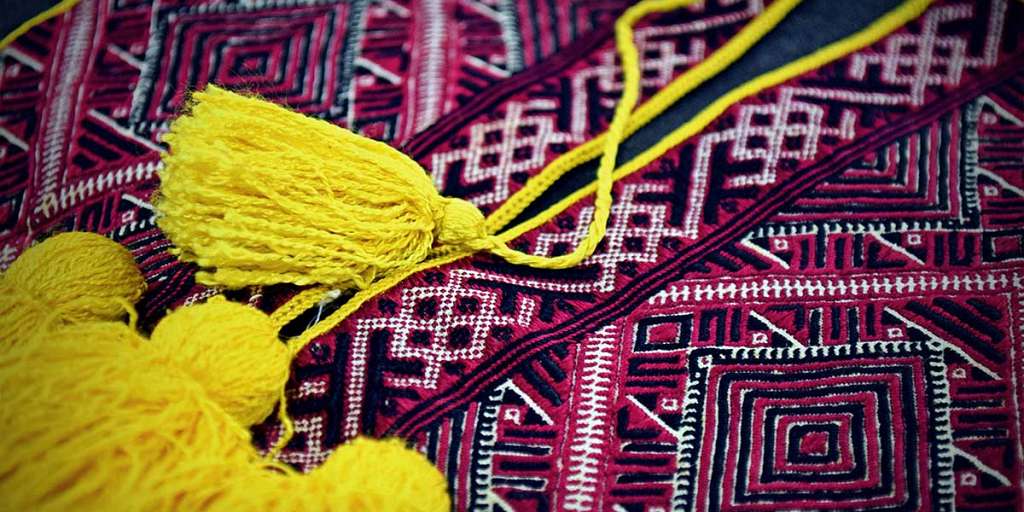
The harmony of the habitants and the region has been expressed by the national costumes throughout history. The Konavle traditional costumes, especially the women's costumes, in a special way embody the centuries-old culture of living of the local population because of its beauty, elegance and aesthetics.To the present day it is perhaps the most beautiful representative of the Croatian folklore treasure.
Dubrovnik is, among other, famous for its embroidery. The most known are from Konavle, the hilly countryside some 30 km Dubrovnik. The Konavle embroidery is the decorative basic element of the women's costumes, which was embroidered onto breast and sleeves. Originally, it was stitched with silk, won from the cocoons of the silk moth, carefully and attentively grown in each Konavle house and dyed with natural colors. The strictly symmetrical and geometrical motives in countless forms were mostly worked out in red, black, and dark-green color with a golden-yellow border.
Thanks to its beauty and versatility, Konavle embroidery is now featured on various modern utility items, including tablecloths, purses, decorative accents for evening gowns, table mats, pillowcases, spectacle cases, and framed artwork. This integration preserves the tradition of this exquisite craftsmanship while promoting Konavle globally in an exceptional way. This is the perfect gift if you're seeking an authentic memento from the Dubrovnik region.
Sweet delights
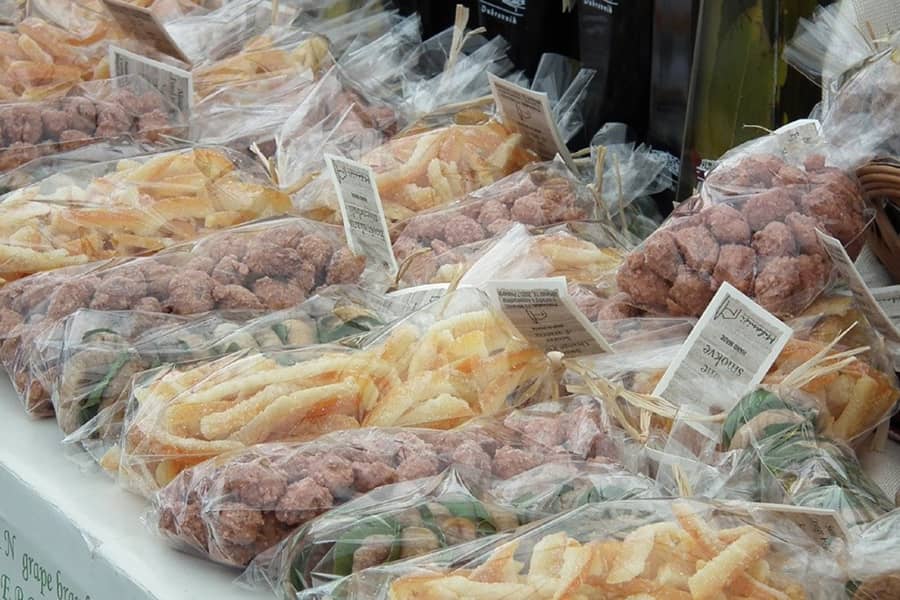
Traditional sweets in Dubrovnik are simple, seasonal and based on local ingredients such as citrus fruit, almonds and dried figs. These recipes have been passed down for generations and are still made by small producers and family-run shops around the region.
Among the best-known options are arancini, which are thin strips of orange peel cooked in syrup and coated with sugar, and caramelised almonds, which are sold in small gift bags or boxes. You will also see quince cheese, known locally as kontonjata, a firm, slightly tangy sweet that is usually cut into cubes and served on its own or with cheese.
Other regional treats include mantala, a dense must cake made from grape must and spices, and various dried-fig products that are often tied with bay leaves. These sweets make easy-to-carry gifts and are sold at delicacy shops, markets and some supermarkets, especially during the warmer months when visitor demand is highest.
Authentic Croatian products
When browsing shops in Dubrovnik you will notice stickers and signs indicating “original Croatian product” or similar labels used to highlight items made locally or by certified artisans. These can help you distinguish genuine crafts, food products and design pieces from imported goods that simply imitate local styles. The labels are not used by every maker, but they are a useful guide if you are looking for verified Croatian-made souvenirs.
Many smaller shops and workshops in the Old Town and nearby neighborhoods specialize in handmade textiles, jewelry, ceramics, natural cosmetics and regional delicacies. If authenticity matters to you, take a moment to compare shops and check product descriptions or maker details before buying. Prices vary widely depending on materials and production methods, but choosing locally made products supports artisans and gives you a souvenir with a real connection to Dubrovnik and Croatia.
Recommended shops in Dubrovnik
My recommendations include the shops below, which are also frequently mentioned by visitors and local guides as good places to look for quality souvenirs, design items and regional delicacies. Opening hours, product ranges and ownership can change, so use this list as a starting point and check details on the spot.
Clara Stones
A small jewelry gallery and workshop known for pieces made with Adriatic coral and other natural materials, combining traditional techniques with contemporary design. It suits visitors looking for a long-lasting, higher-end souvenir rather than costume jewelry.
Dubrovnik Treasures
A jewelry shop focused on coral, pearls and semi-precious stones, with designs inspired by the Adriatic and local traditions. It is a popular choice for gifts such as earrings and pendants that are easy to carry home.
Terra Croatica
A gastro and gift shop in the Old Town that brings together Croatian delicacies, olive oils, natural cosmetics and textiles from different regions. It is useful if you want to buy several types of local products in one place instead of visiting multiple small shops and markets.
Kawa Concept Store
A Croatian design concept store that gathers clothing, accessories, home-ware, books and delicacies by local brands and designers. It is a good option if you prefer contemporary design items and small-batch products over classic souvenirs.
Dubrovačka kuća (Dubrovnik House)
A shop that focuses on products with a clear link to Dubrovnik and the wider region, including food items, wine, art and handicrafts. Many visitors use it as a one-stop shop for higher-quality souvenirs that represent different parts of Croatia.
Maria Store
A luxury multi-brand fashion boutique that carries international designer labels alongside selected accessories. It is aimed at visitors interested in high-end fashion rather than traditional souvenirs, but it is frequently mentioned in luxury shopping guides.
Uje
A delicacy shop specializing in olive oil and other Mediterranean food products. It is a practical place to taste and choose olive oils, tapenades and related items in proper packaging for travel.
Duchkas Concept Store
A small concept store and gallery focused on Croatian-made design objects, accessories and art pieces. It is suited to visitors who want something original and locally produced, from jewelry and small prints to useful everyday items.
Break Time
A nautical-themed brand best known for its rope and stainless-steel bracelets inspired by the Adriatic. Many visitors buy these as an informal, wearable reminder of a sailing trip or beach holiday on the Croatian coast.
AR Atelier
An art and craft studio based in the Konavle region south of Dubrovnik, associated with hand-painted silk, ceramics and items that incorporate Konavle embroidery motifs. It is more of a destination for those exploring beyond the city, but worth noting if you are interested in traditional crafts and day trips from Dubrovnik.
Frequently asked questions about shopping in Dubrovnik
Is Dubrovnik good for shopping?
Dubrovnik is better for small boutiques, traditional crafts and food shops than for large malls. The Old Town has many souvenir and jewelry shops aimed at visitors, while neighborhoods such as Lapad and Gruž are more useful for supermarkets, drugstores and everyday items.
Where are the best areas to shop in Dubrovnik?
Most visitors shop in the Old Town, especially on and around Stradun and in the side streets where smaller boutiques and artisan workshops are located. For markets, head to Gundulićeva Poljana in the Old Town and the larger Gruž market near the port, while neighborhood centers in Lapad and Gruž are best for supermarkets and basic shopping.
What are typical shop opening hours, and are shops open on Sundays?
For most of the year, shops in Dubrovnik usually open around 08:00–09:00 and close around 20:00, with longer hours in summer in the Old Town. Many shops outside the center close earlier in winter, and Sunday opening is limited mainly to souvenir shops in the Old Town and some food shops in the morning, so always check the sign on the door for exact hours.
What souvenirs are best to buy in Dubrovnik?
Popular souvenirs include filigree and coral jewelry, embroidery and textiles from Konavle, local sweets such as arancini, kontonjata and caramelized almonds, as well as olive oil, wine, rakija, lavender products and small items from Croatian design shops. Game of Thrones themed souvenirs are also common, but quality and prices vary between shops.
Is shopping in Dubrovnik expensive, and how can I avoid tourist traps?
Prices in the Old Town, especially on Stradun and in prime locations, are noticeably higher than in neighborhood areas and supermarkets. To avoid overpaying, compare a few shops, look in side streets rather than only on the main street and buy food items at markets or local supermarkets instead of in the most touristy spots.
Do shops accept cards, and is bargaining common?
Most larger shops, boutiques and supermarkets accept credit and debit cards, but small stands and some market stalls still prefer cash. Bargaining is not common in regular shops in Croatia, though a small discount might occasionally be possible at markets or for higher-priced items; in general, prices are fixed and clearly displayed.