
Located about 20 kilometers south of Dubrovnik, Cavtat is an easy day trip and a good option for visitors who prefer a quieter setting. With fewer crowds than Dubrovnik, it offers a relaxed waterfront, safe swimming spots and walking paths, making it suitable for both short visits and longer stays.
What to know about Cavtat
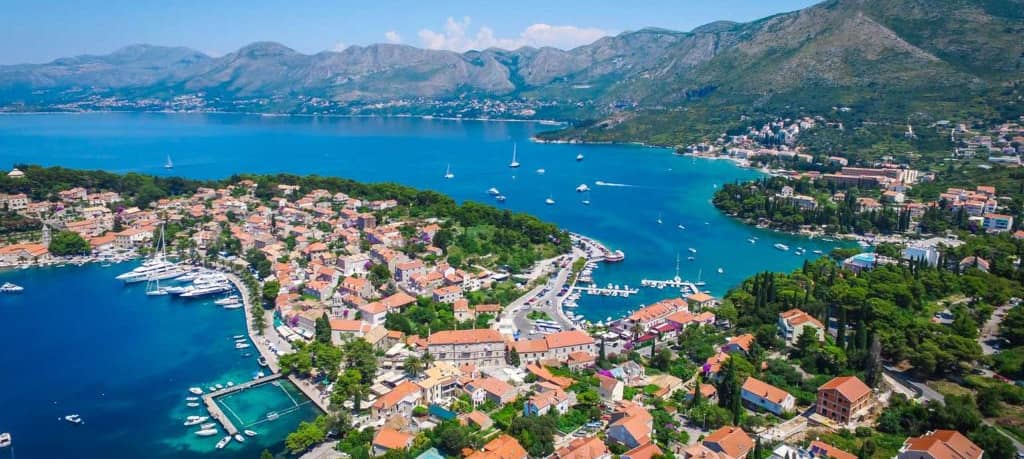
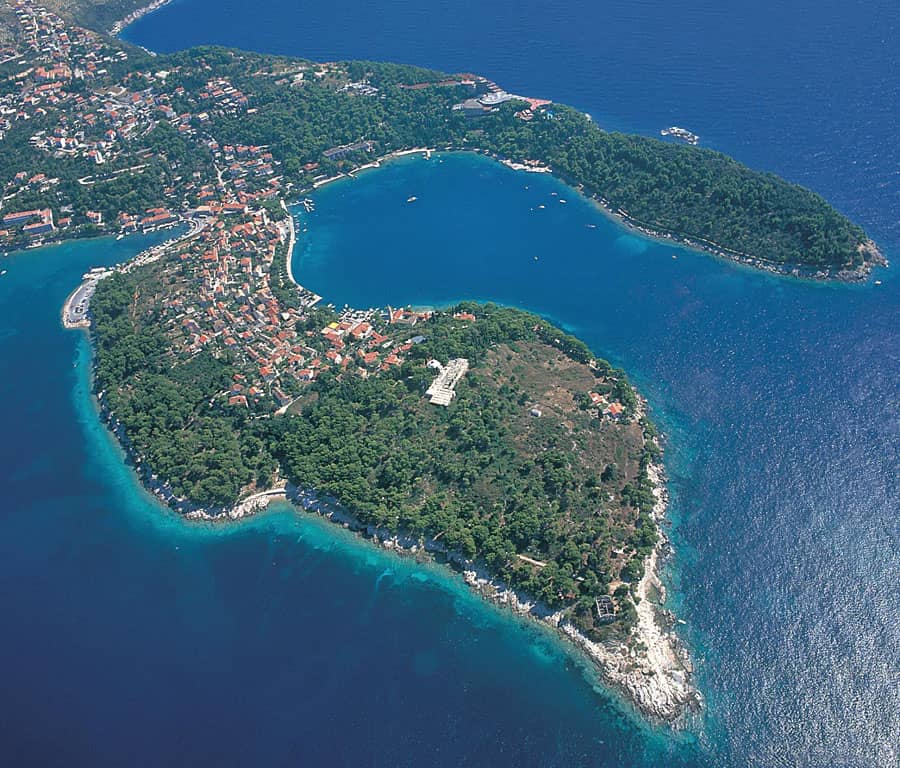
Cavtat sits on two small peninsulas with a long waterfront promenade, pebble beaches and easy walking routes. The town is well connected to Dubrovnik by local buses, including routes listed under suburban bus lines, and by seasonal boat services, while Dubrovnik Airport is only a short drive away. Most of the old town is flat and walkable, and the coastal paths around the peninsulas offer shade, viewpoints and good swimming spots.
Don’t miss a walk along the pleasant harbourside promenade, as well as short stops at the baroque St Nicholas Church, the Renaissance Rector’s Palace and the Račić family mausoleum, decorated by Ivan Meštrović. Cavtat’s best-known resident, painter Vlaho Bukovac, was born here and his house is now a small museum.
Cavtat has a long and layered history. The original settlement was founded by the Greeks in the 6th century BC as Epidaurus and later developed under Roman rule as Epidaurum. After the city was destroyed in the 7th century, many refugees moved to Laus, the settlement that grew into Dubrovnik. The name Cavtat comes from Civitas Vetus, meaning “old city”, reflecting its ancient origins and long-standing connection with Dubrovnik.
Dubrovnik Bestseller (Dubrovnik, Cavtat and panorama tour) Shore Excursion
A private shore excursion to discover Dubrovnik and the medieval village of Cavtat.
This personalized tour lets you explore both Old Towns at your own pace, offering a more intimate experience than a standard bus tour.
Is Cavtat worth visiting?
Cavtat is worth visiting if you want a quieter alternative to Dubrovnik with easy access to the sea, relaxed walks and a compact old town. Many visitors come for a half-day or full-day trip, often as part of a day trip from Dubrovnik, combining a waterfront stroll with swimming and a visit to the Bukovac House or the Račić family mausoleum. It is also a good place to stay if you prefer calmer evenings, easier parking and a slower pace while still being close to Dubrovnik.
Where is Cavtat?
Cavtat is a small coastal town on the southern part of the Dubrovnik Riviera, around 20 kilometers southeast of Dubrovnik and only a few kilometers west of Dubrovnik Airport. It lies on a sheltered bay facing the open sea and the nearby islands, with the old town and harbour set between two low peninsulas connected by a seafront promenade.
How to get from Dubrovnik to Cavtat
Travelling between Dubrovnik and Cavtat is straightforward, with frequent local buses, seasonal boat services and a short drive along the coast. Most visitors choose the bus or boat for easy access without needing to park in Cavtat.
By local bus
Libertas line 10 runs regularly between Dubrovnik and Cavtat, stopping at key points in town. It connects Cavtat with Gruž, Pile Gate and other local stops, and is listed under suburban bus lines. The journey usually takes around 30–40 minutes depending on traffic, and some travellers make short stops in Srebreno or Mlini along the way to walk the seafront before continuing to Cavtat.
By boat
In the main season, several private operators run boats between Dubrovnik and Cavtat from the Old Town harbour and nearby coastal areas. Travel time is usually 45–60 minutes, and timetables vary by month, so it is best to check current schedules locally. Many visitors take the bus one way and return by boat to enjoy a different view of the coastline.
By taxi or private transfer
A taxi or pre-booked transfer takes about 20–30 minutes depending on traffic. It is also the most convenient option if you are travelling with luggage or arriving directly from Dubrovnik Airport.
By rental car
Driving from Dubrovnik to Cavtat is simple and follows the coastal road toward Konavle. Parking areas are available near the waterfront and around the peninsulas, and you can check detailed parking information for Cavtat at Parking in Cavtat. Spaces can be limited in peak season, so arriving earlier in the day is recommended.
Things to do in Cavtat
Cavtat offers easy seaside walking routes, small cultural sites and viewpoints around its two peninsulas, making it suitable for a relaxed half-day or full-day visit. The old town area is compact, and most places of interest are within a short walk of the waterfront.
Walk the harbour promenade and peninsula paths
The long waterfront promenade leads to shaded coastal paths around both peninsulas, offering swimming spots, benches and views toward the open sea and nearby islands. These routes are mostly flat and suitable for casual walking.
Visit the House of Vlaho Bukovac
The birth house of painter Vlaho Bukovac, one of Croatia’s most important artists, is now a small museum with restored interiors and a collection of his works. It is located in the old town and is an easy cultural stop during a stroll.
See the Račić family mausoleum
Located on a small hill above the harbour, the Račić family mausoleum is decorated by sculptor Ivan Meštrović and offers good views over Cavtat. The walk up is short but involves some steps.
Explore St Nicholas Church and the Rector’s Palace
St Nicholas Church and the nearby Rector’s Palace reflect Cavtat’s historical links with Dubrovnik and house small collections and artworks. Both are centrally located and easy to visit as part of a walking route.
Swim at the town beaches
Cavtat has several pebble and concrete beaches near the old town, with clear water and easy access from the promenade. These are suitable for short swims and are close to cafés and shade.
Take a boat trip
Short local boat trips operate in the main season, connecting Cavtat with nearby bays and coastal areas around the Dubrovnik Riviera. Schedules change through the summer, so check availability locally.
Dubrovnik&Konavle gastro food tour, including Cavtat sightseeing
This relaxing half-day tour offers the perfect way to experience the culture, history, and local products of Croatia's southernmost region.
Start by exploring Dubrovnik's natural highlights and prime photo spots, such as the spring of the Ombla River, the Franjo Tuđman Bridge, and Mount Srđ. From there, journey south along the coastline to the charming town of Cavtat, where you can spend some time exploring. Next, head into the Konavle Valley, the traditional breadbasket of southern Croatia. Visit Konavoski Dvori to see old mills that have been transforming raw produce into exportable goods for over 500 years. You'll also visit the source of Konavle's natural irrigation system, the River Ljuta, and see a medieval watchtower from 1391 named "Sokol" (Croatian for "hawk"). The tour culminates with a traditional Konavle lunch at Kameni Mlin, a family-run restaurant where you'll savor the local gastronomy.
Beaches in and around Cavtat
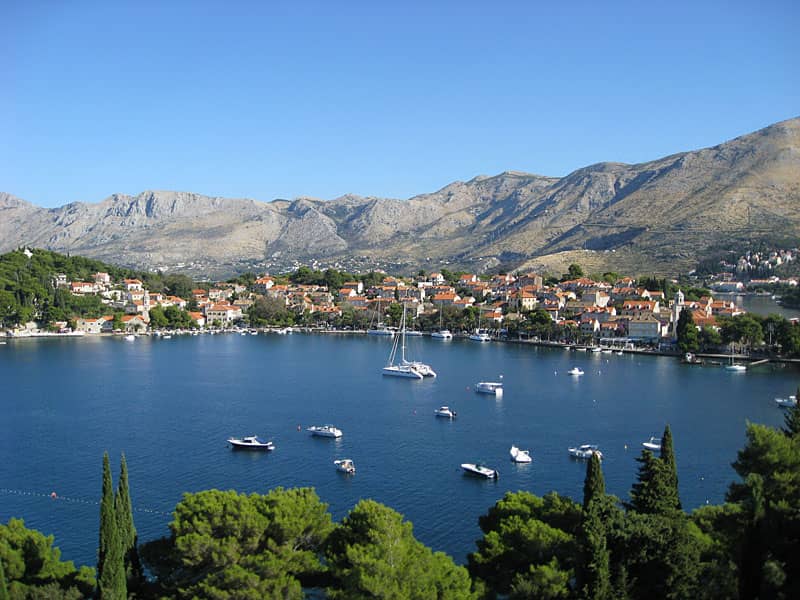
Cavtat offers a variety of beaches, from family-friendly pebbly stretches to quieter rocky coves and shaded concrete platforms. The water is clear across the entire coastline, and because Cavtat is compact, it is easy to try several beaches in a single visit simply by walking along the waterfront or around the peninsulas.
Žal Beach
Žal is Cavtat’s largest and most accessible beach, located near the hotels on the western side of town. It is mainly shingle with small pebbles and a gentle slope into the sea, making it suitable for families and less confident swimmers. A strip of fine sand appears at the waterline, and the shallow foreshore extends several metres before deepening. Natural shade from nearby cypress and pine trees helps during hot afternoons, and there are sunbeds, parasols and basic facilities available in season.
Rat Beach and Kamen Mali
Rat Beach sits midway along the Rat peninsula and has a mix of small pebbles and shingle with easy access to the sea. It offers good views of Župa Bay and allows visitors to wade several metres before reaching deeper water. The beach is small and can become busy in high summer, so coming earlier in the day is recommended. You will also find concrete sunbathing decks and amenities such as sunbeds, parasols, showers and changing areas. A little further along the peninsula, Kamen Mali is a rockier spot preferred by locals, with deeper water suitable for confident swimmers.
Tiha Bay and Ključice
On the quieter Tiha Bay side of Cavtat, beaches such as Ključice offer a mix of pebbles, rocks and concrete platforms, with plenty of natural shade from pines. The water here can feel slightly cooler due to underwater springs, and the area is generally less crowded than the main town beaches.
Smaller local beaches
Obod, Blato and other small swimming spots around the harbour and both peninsulas provide simple access to clear water close to town. These local beaches are convenient for a quick swim, and sea shoes can be useful due to pebbles and rocks underfoot.
Pasjača Beach near Cavtat
Pasjača Beach, located below the village of Popovići about 10–15 kilometres from Cavtat, is one of the most dramatic beaches in the Konavle region. Reached by a steep set of steps cut into the cliffs, it offers a narrow strip of sand and gravel with striking scenery but no facilities. Visitors should bring water and sun protection and be prepared for the difficult climb back up, making it unsuitable for those with mobility issues or very young children.
When to visit Cavtat
Cavtat is most popular from late spring to early autumn, when the weather is warm and the sea is suitable for swimming. May, June and September offer pleasant temperatures, clearer walking paths and more space at the beaches compared to July and August, which are the busiest and warmest months. Outside the main season, the town is quieter, and many seasonal services such as boat lines operate less frequently or stop altogether.
If you plan to swim and spend time outdoors, the period from June to mid-September provides the best sea temperatures. For travellers who prefer fewer crowds and easier parking, late April, May, early June and late September are good times to visit. Winter stays are calm, with mild weather and open walking routes, but beach facilities and boat services are limited.
Where to stay in Cavtat
Cavtat has a good mix of hotels, guesthouses and private apartments spread along the waterfront and on the hills above the bay. Staying near the old town or along the peninsula paths offers easy access to beaches, restaurants and walking routes, while hillside properties provide wider sea views but may require more uphill walking.
Most visitors choose accommodation within a short walk of the promenade or beaches, and you can browse an overview of local hotels at Hotels in Cavtat. If you prefer to compare a wider range of apartments, small hotels and private stays, you can check availability and prices on Booking.com, which lists options across all parts of Cavtat.
Cavtat works well both as a quieter base for visiting Dubrovnik and as a standalone holiday spot with beaches and walking routes close by. Parking is generally easier than in Dubrovnik, but properties in the old town area may have limited space during peak season.
Day trips from Cavtat and nearby places
Cavtat is a convenient base for exploring the wider Dubrovnik area. Regular buses and seasonal boats make it easy to visit Dubrovnik for a day, where you can walk the city walls, explore the Old Town and join organised excursions further along the coast or to nearby islands.
In the opposite direction lies the Konavle countryside, with small villages, vineyards, traditional restaurants and walking routes along the Ljuta river. From Cavtat you can reach places such as Čilipi, Gruda and Popovići by car or organised tour, and combine rural views with stops at scenic spots like Pasjača Beach.
If you do not have a car, one option is to use Cavtat as a quiet base and then join trips starting from Dubrovnik. From there you can visit Lokrum Island, Mljet Island, the Elaphiti Islands (more details at Elaphiti Islands), and coastal sights such as Trsteno Arboretum. For more ideas, see the overview of day trips from Dubrovnik.
Practical tips for visiting Cavtat
Cavtat is easy to navigate on foot, and most beaches, walking paths and viewpoints are close to the old town. Comfortable footwear helps on the peninsula paths, which can be uneven in places, and beach shoes are useful for pebble and rocky areas.
The town is considered child friendly, especially in summer when traffic in the old part of Cavtat is limited by local regulations. The peninsula paths are mostly flat, and several small pebble beaches along the route provide easy places to stop with young children.
Shade varies during the day, so bringing sun protection is recommended. Beach facilities outside the main season can be limited, and carrying water is a good idea if you plan longer walks. Supermarkets, cafés and pharmacies are close to the promenade, and the old town stays active year-round, though some restaurants reduce hours in winter.
Private apartments are a practical choice for families, offering more space and flexibility than standard hotel rooms. For swimming and outdoor activities, late spring to early autumn provides the most reliable conditions.
Public transport runs regularly, but timetables for buses and seasonal boats can change between months, so checking the latest schedule is recommended. If you are driving, parking is generally easier than in central Dubrovnik, although spaces near the waterfront can fill up during peak summer.
Cavtat walk from Rat peninsula to Sustjepan peninsula
Cavtat is nestled on the Rat peninsula, which, together with the Sustjepan peninsula, forms a well-protected and accessible bay. A pleasant trail connects Cape Sustjepan to Cape Rat, passing through the wooded Sustjepan peninsula, continuing along the port of Cavtat, and crossing the Rat peninsula before looping back along the port. This 4 km loop trail is generally considered easy and takes about one hour to complete. The trail is open year-round and is a beautiful walk at any time of the year.
Events in Cavtat
Cavtat Summer
Cavtat Summer (Cavtatsko ljeto) is an annual series of open-air cultural and entertainment events that usually runs from late June to early September. The programme includes concerts, klapa and folk performances, dance shows, theatre, street artists and exhibitions on squares and along the waterfront, and most events are free to attend.
Epidaurus Festival
The Epidaurus Festival is an international festival of music and arts held in Cavtat, typically from late August into September. Named after the ancient settlement of Epidaurus, it focuses mainly on classical music and chamber concerts, but also features other art forms such as exhibitions, literature, drama and educational workshops, often combining performances by renowned artists with appearances by young musicians.
Cavtat Summer Carnival
The Cavtat Summer Carnival builds on a carnival tradition more than a hundred years old, made famous in part by painter Vlaho Bukovac and his work “The Cavtat Carnival”. It usually takes place over a weekend in early July and features a costumed parade through the town, music, dancing and a lively evening programme on the promenade. Dates and details can vary by year, so it is best to check the current programme with the local tourist board before your trip.
Cavtat FAQ
How far is Cavtat from Dubrovnik?
Cavtat is about 20 kilometres southeast of Dubrovnik, with a typical travel time of 30–40 minutes by local bus and around 20–30 minutes by taxi or car.
What is the best way to get from Dubrovnik to Cavtat?
The most convenient options are the Libertas line 10 bus or seasonal boat services from the Old Town harbour. Buses run year-round and are listed under suburban bus lines.
Is Cavtat good for swimming?
Yes. Cavtat has clear water and a mix of pebble, rocky and concrete beaches around both peninsulas. Žal Beach is the most family-friendly, while Rat Beach and Kamen Mali offer deeper water and good views.
Can Cavtat be visited as a day trip?
Yes. Many visitors come for a half-day or full-day visit, combining a walk along the promenade with swimming and simple sightseeing. It is one of the most popular day trips from Dubrovnik.
Is Cavtat a good place to stay?
Cavtat is quieter than Dubrovnik, with easier parking and quick access to beaches. It works well both as a relaxing base and for travellers who want to visit Dubrovnik without staying in the city centre.
How far is Cavtat from the airport?
Dubrovnik Airport is only a few kilometres away, with a typical travel time of 10–15 minutes by taxi or transfer.